Sourcing products in China is a journey that involves finding the right factories, building trust, negotiating pricing, ensuring quality, and managing exports. China remains the world’s premier manufacturing hub, representing roughly 1/3 of global manufacturing output, thanks to its robust industrial clusters and highly optimized supply chains. But despite this maturity, Western companies often struggle to navigate China remotely due to cultural gaps, language barriers, and the complexity of operating on the ground.
This is where professional sourcing agents become indispensable. Instead of locking yourself into one rigid structure, you can choose among three sourcing models depending on your budget, product category, and stage of business growth:
Hourly-based sourcing agents
best for testing the market, building your brand, or when budgets are limited.
Commission-based sourcing
ideal for large orders where the buyer knows exactly what they want and prefers a performance-based structure.
Full on-the-ground presence via your own China team (through an Employer of Record)
best for companies requiring continuous oversight, daily supplier management, and sector-specialized employees.
This article follows the full sourcing workflow, agents, visits, negotiations, QC, and export management, explaining how sourcing partners support you at every step, regardless of your chosen model.
Working With Sourcing Agents and Local Sourcing Teams in China
One of the first decisions when sourcing from China is whether to handle everything remotely or rely on specialist support inside China. Traditionally, companies chose between a sourcing agent or building a local team, each with its own advantages. Today, sourcing support has become far more flexible. You can work with sourcing agents who charge hourly, ideal for early-stage brands or companies testing new products; you can work with commission-based sourcing, a model preferred for large orders or when the buyer already knows what they want; or you can build your own full-time on-the-ground sourcing or quality team through a compliant employment structure, allowing you to have a dedicated representative who works exclusively for you and represents your interests in China.
Each model serves a different business need. Hourly agents are efficient when you need market research, supplier sourcing, or initial communications. Commission-based sourcing fits companies that want the smallest upfront cost while handling large or repeated orders. Meanwhile, more mature companies who require constant factory visits, ongoing product development, category expertise, or rigorous quality control often prefer hiring a dedicated local specialist through a compliant model, giving them continuity and control without creating a Chinese subsidiary.
This flexibility allows Western companies to choose the structure that best fits their stage of growth and sourcing volume. Instead of relying on informal intermediaries or unverified trading companies, businesses can work with transparent sourcing structures designed to offer clarity, professionalism, and legal compliance. Whether through agents or dedicated staff, you gain a partner in China who communicates in real time with your headquarters, visits factories, negotiates on your behalf, and provides feedback grounded in local experience. This direct representation significantly reduces misunderstandings, strengthens supplier relationships, and makes your sourcing operation more predictable and efficient.
Visiting Suppliers: Building Trust and Understanding on the Ground
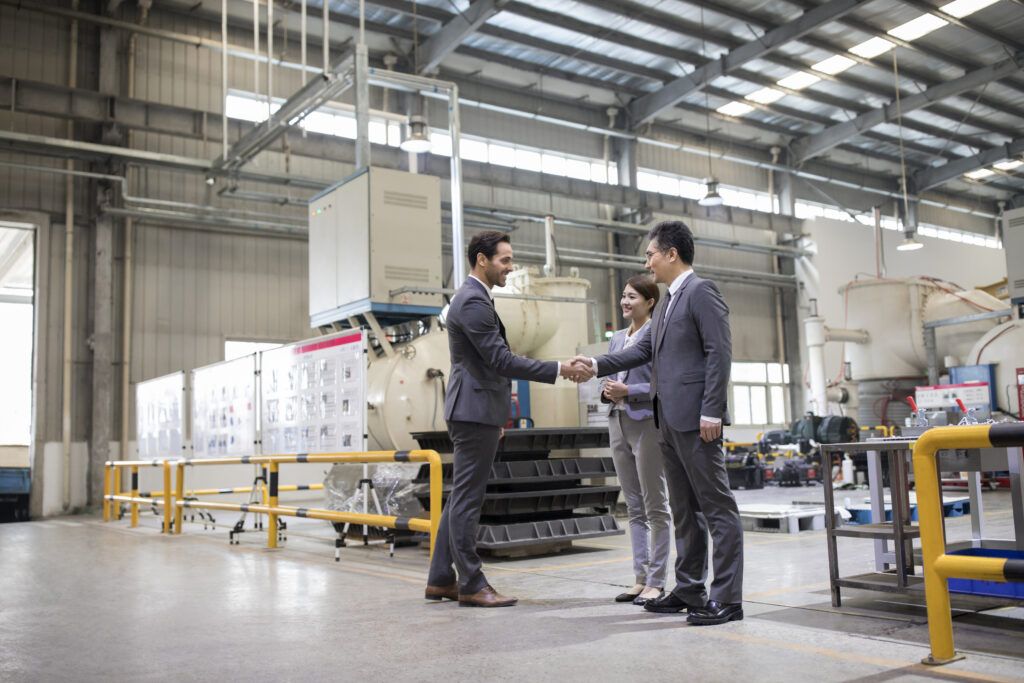
Visiting suppliers in China remains one of the most powerful ways to build trust and ensure smooth cooperation. A factory visit allows you to verify capabilities, understand their production process, and establish personal rapport, an essential component of Chinese business culture. Trust and relationship, known as guanxi, often influence business outcomes as much as price or technical specifications. Meeting suppliers’ face-to-face signals seriousness, respect, and long-term commitment, which can translate into better service, improved flexibility, and more favorable conditions.
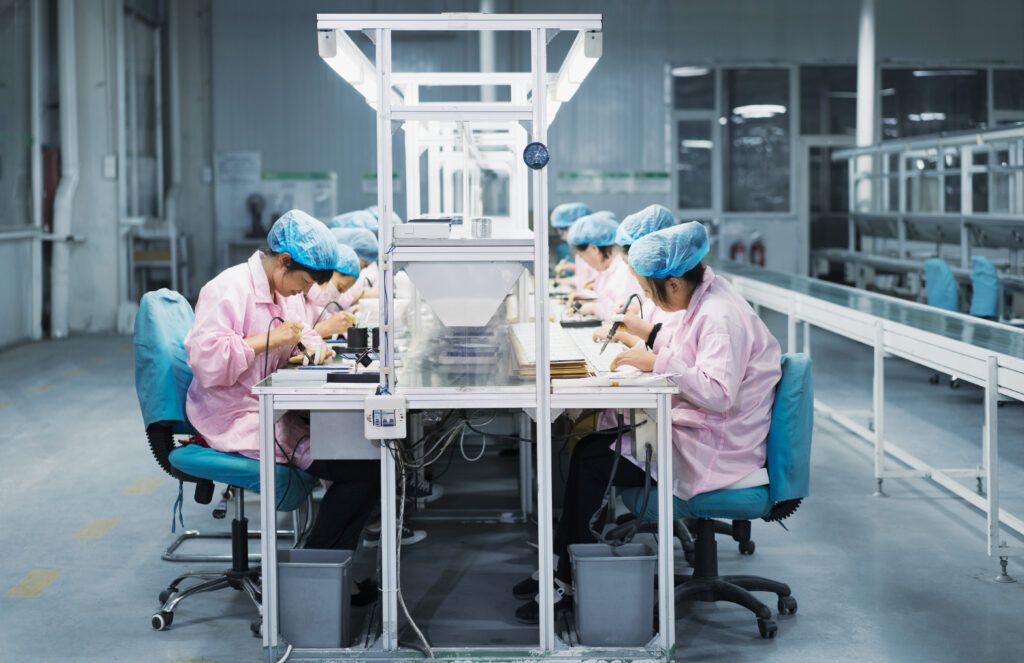
During a visit, you can observe production lines directly, check how the factory manages materials, inspect partially completed goods, and speak with managers who may not always join online meetings. This physical presence immediately elevates your importance as a client. Factories tend to prioritize buyers who show up in person, and communication typically becomes faster and more transparent after such visits. Your ability to show up also deters suppliers from cutting corners, as they know you may return at any time.
For business owners who cannot travel frequently to China and fluently speak Chinese, sourcing agents and local team members play a crucial role. A sourcing partner can visit factories on your behalf, send you detailed reports, attend production milestones, and represent your interests in person. If you work with a dedicated sourcing or quality specialist, that person can visit suppliers regularly, not just occasionally, ensuring continuous oversight and much stronger relationship-building. This ongoing presence is particularly valuable when managing new suppliers, launching new products, or maintaining consistent quality across multiple production batches.
Negotiating Prices and Terms with Chinese Suppliers
Negotiating effectively with Chinese suppliers requires cultural understanding, preparation, and patience. Negotiations in China rarely consist of quick, one-time exchanges; they develop through relationship building and ongoing communication. Western buyers who invest time in developing rapport, sharing meals, learning about the supplier’s background, or simply showing respect, often achieve far better outcomes. Once negotiations begin, preparation is essential. Understanding market prices, raw material costs, and the supplier’s competitors helps you evaluate whether quotes are reasonable and where negotiation may be possible.
You should discuss technical requirements in detail, quality standards, packaging expectations, delivery timelines, and after-sales conditions, because these factors directly influence price. It’s common for suppliers to quote a higher initial price anticipating negotiation, so counteroffers with rationale are expected. Payment terms can also be negotiated over time. While 30% deposit and 70% before shipment is standard, long-term cooperation may unlock more favorable terms.
Sourcing agents are particularly valuable during negotiations. They communicate fluently in Chinese, understand local negotiation style, detect subtle cues that may indicate supplier hesitation or flexibility, and recognize when a supplier is truly at their limit. They can also cross-check suppliers, gather competing quotes, and verify factory claims. When working with a dedicated on-ground specialist, negotiations become even more informed: your representative can visit the supplier to evaluate capacity, check inventory levels, or assess the production environment, giving you critical information that strengthens your negotiating position.
Checking Product Quality: Ensuring Consistency and Compliance
Quality control is often the most sensitive part of sourcing in China. Even reputable suppliers may produce inconsistent quality across batches if not monitored closely. To avoid costly surprises, Western companies must implement layers of quality assurance, both through independent inspections and through trusted local oversight.
Third-party inspection firms, such as TüV, SGS, or QIMA, provide professional audits before, during, and after production. These inspections are essential for verifying that goods meet specifications, materials match requirements, and packaging is compliant. They act as an objective safeguard, especially if you are dealing with a new supplier or a complex product category.
A sourcing partner adds an internal layer of control. Sourcing agents can coordinate inspections, develop detailed QC checklists, and verify corrective actions from the factory. For companies that require deeper involvement, a dedicated quality inspector or manager in China can visit factories frequently, monitor key stages of production, and identify issues long before third-party inspectors arrive. This daily oversight allows problems to be solved early, preventing entire batches from being produced incorrectly. It also helps ensure compliance with certifications such as CE, FCC, or ISO standards, or with industry-specific requirements.
By combining external inspections with continuous local oversight, whether through a flexible sourcing agent or a full-time specialist, you secure a robust, reliable quality system that protects your brand and customers.
Managing Export and Logistics Operations from China
Once production is complete, the final challenge is moving your goods from China to your global market. Export management involves coordinating packaging, inland transport, customs documentation, and international shipping. Mistakes in export paperwork such as incorrect HS codes, incomplete packing lists, or inaccurate commercial invoices; can result in delays, fines, or even cargo seizure. Managing these processes remotely is difficult, especially across time zones and language barriers.
Sourcing agents support export operations by coordinating with factories and freight forwarders. They ensure that documents are accurate, that goods are prepared for inspection, and that any consolidation from multiple suppliers is handled smoothly. They also help verify container bookings, pickup arrangements, and export declarations.
For companies that need deeper involvement, a dedicated sourcing or logistics specialist can manage every stage directly from China. They can chase missing paperwork, resolve customs issues in person, oversee container loading, coordinate warehouse consolidation, and ensure that export regulations or licensing requirements are respected. This hands-on oversight reduces risk and keeps your supply chain running smoothly, especially during peak seasons or when handling sensitive product categories.
The Strategic Advantage of a Flexible Sourcing Ecosystem in China
Every step of the sourcing process in China, supplier identification, relationship building, negotiation, quality control, and export management, requires local expertise and continuous communication. Sourcing agents and on-the-ground specialists give Western companies this local presence without requiring them to create their own legal entities in China. By choosing the right sourcing model, hourly support, commission-based sourcing, or full dedicated staff, you can tailor your China operations to your volume, complexity, and growth stage.
This flexible ecosystem lets you scale up or down effortlessly. You can test new products with hourly agents, negotiate large orders with commission-based sourcing, or strengthen your long-term supply chain with dedicated professionals who visit factories, manage quality, and oversee logistics. It is a way to operate in China with the control of a local company, without the cost or complexity of establishing one.
For businesses seeking to leverage China’s manufacturing strength, this approach transforms the country from a distant and challenging market into a strategic extension of your operations. With the right sourcing partner, capable of supporting you across all these models, you gain visibility, trust, and reliability at every stage of production, allowing you to scale your business with confidence and long-term stability.
Ready to Strengthen Your China Sourcing? Contact Us for a Consultation
Whether you are exploring 1688, validating new suppliers, scaling your product line, or looking to build a long-term supply chain in China, our team can support you with the sourcing model that best fits your needs. From hourly sourcing agents to commission-based supplier management and fully dedicated on-the-ground specialists, we help Western companies operate in China with transparency, control, and confidence.
If you want expert guidance on your sourcing strategy, supplier selection, QC setup, or export operations, contact us for a consultation. We will review your goals, analyze your sourcing needs, and recommend the most effective approach for your business.
→ Get in touch today and start building a reliable, scalable China sourcing operation.

Gate Kaizen is the trusted partner of large and mid-cap companies as a provider of market entry services and HR Solutions in the Chinese market. We help your business save the outsantding costs of setting up your local entity by leveraging our own structure and the shortcuts of the digital era to minimize the financial risks of expanding overseas. This way, you can focus your attention on what really matters: your business.